Savoyard cuisine: 4 typical dishes not to be missed
Discover the 4 typical Savoyard dishes you won't want to miss, combining traditional recipes, mountain cuisine and warm Alpine specialties for a gourmet trip to the heart of Savoy.

Savoyard cuisine: 4 typical dishes not to be missed
Introduction
4 typical dishes not to be missed: tartiflette, raclette, croziflette and fondue for a warm and convivial meal in the mountains.
Delving into Savoyard cuisine is like taking a trip to the heart of the Alps, where gourmet traditions and comforting pleasures reign supreme. When the peaks are covered in snow, there's nothing better than a hearty mountain dish to enjoy around a convivial table. Melt-in-the-mouth tartiflette, generous croziflette, raclette with Savoie cheese... These specialties are the beating heart of Alpine gastronomy. Through these four typical dishes that are not to be missed, discover the very essence of essential Savoyard meals. A concentration of local flavor, generosity, and warmth, to be savored after a day of skiing or during a dinner with friends.
Savoyard cuisine: 4 typical dishes not to be missed
Savoyard cuisine: Tartiflette - the essential Savoyard dish
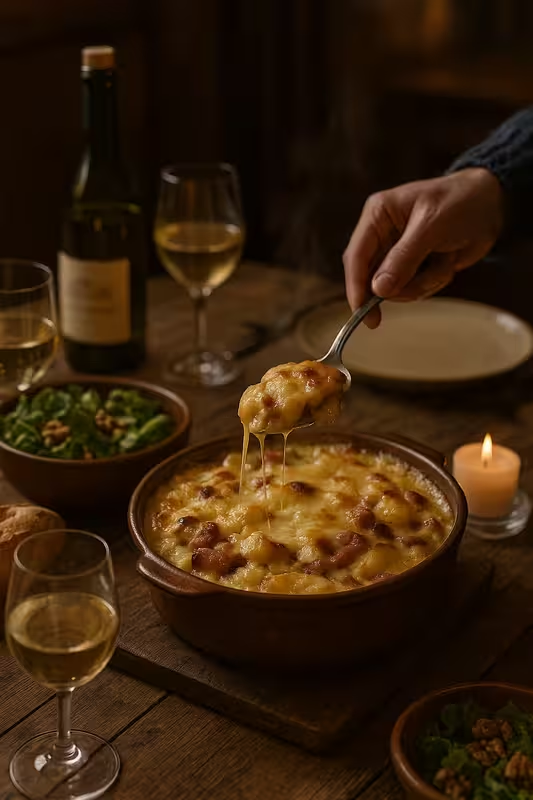
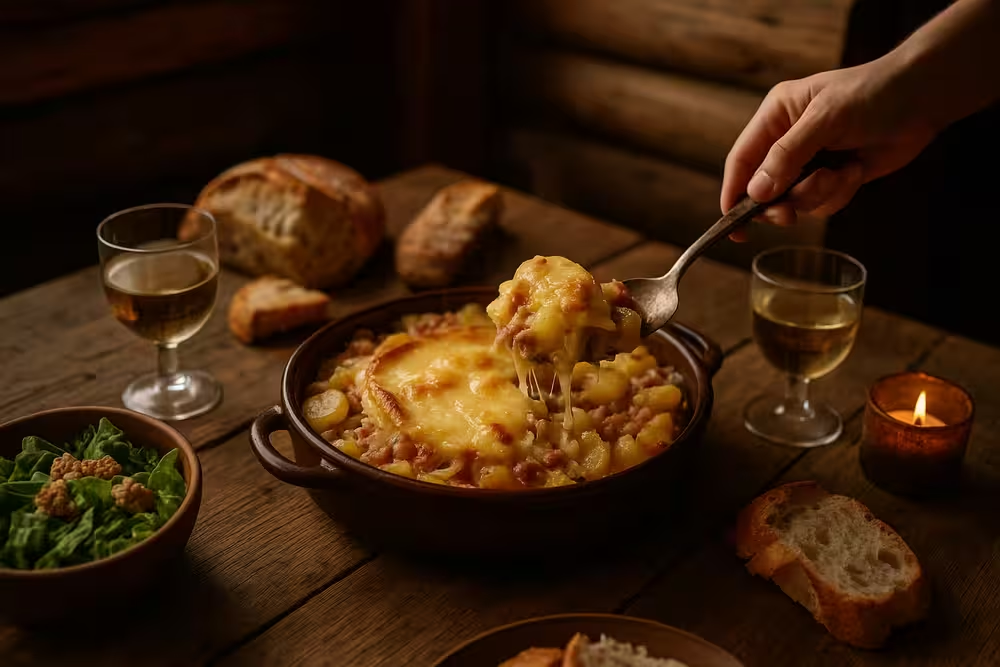
In the warm world of Savoyard cuisine, tartiflette occupies a special place. A true ode to the mountains, this generous dish symbolizes the convivial spirit of Alpine dining. Made from simple ingredients, tartiflette brilliantly combines rusticity and indulgence. It features melt-in-the-mouth potatoes, smoked bacon, pan-fried onions, and above all, the inimitable Reblochon, the iconic cheese of Haute-Savoie. Its woody aroma, slightly orange washed rind, and creamy texture make it the star ingredient of this traditional recipe.
Far from being a relic of the past, tartiflette is actually a contemporary creation. It first appeared in the 1980s and was designed to boost consumption of Reblochon cheese, which was losing popularity at the time. Its phenomenal success is undoubtedly due to its ability to evoke the authenticity of mountain cuisine while adapting to modern tastes. Served high up in the mountains, in a wooden chalet or by the fireside, it perfectly embodies the simple, profound pleasures of winter. This hot mountain dish, often shared after a day of skiing or a long hike in the forest, fits perfectly into the tradition of Savoyard recipes, where generosity is the watchword. There are now endless variations: tartiflette with smoked salmon, vegetarian with mushrooms and root vegetables, or revisited with goat cheese for a more caprine note. However, the original version remains unbeatable, as it embodies the quintessence of essential Savoyard dishes.
For a successful homemade tartiflette, the quality of the ingredients is essential. Firm potatoes, mature farmhouse Reblochon cheese, and just the right seasoning. No need for sophistication, the key is slow cooking, which allows the flavors to blend harmoniously. The gratin should be golden brown, almost caramelized around the edges, and the cheese should be perfectly melted. Served with a crisp salad or a dry white wine from Savoie, such as Apremont, it transforms a simple meal into a truly comforting experience.
Among the culinary specialties of Savoie, tartiflette stands out as an emblem of Alpine gastronomy. It combines simplicity, authenticity, and conviviality, and continues to melt hearts far beyond the snow-capped peaks.
Savoyard cuisine: 4 typical dishes not to be missed
Savoyard cuisine: Raclette - conviviality around a melting cheese
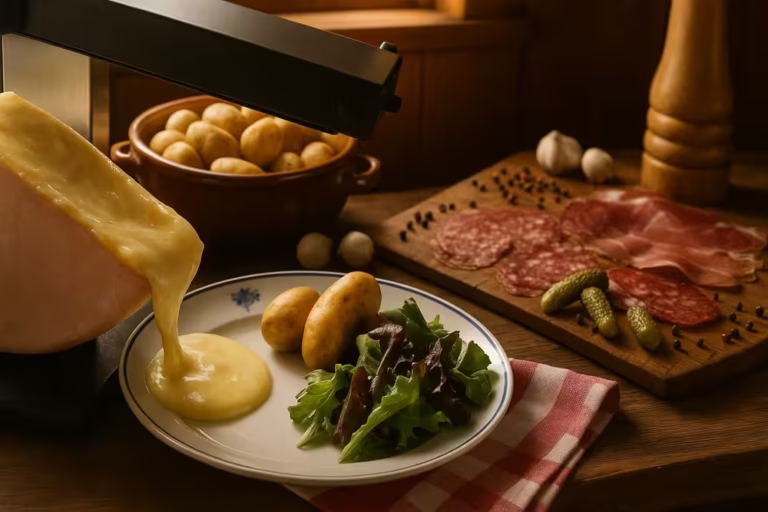
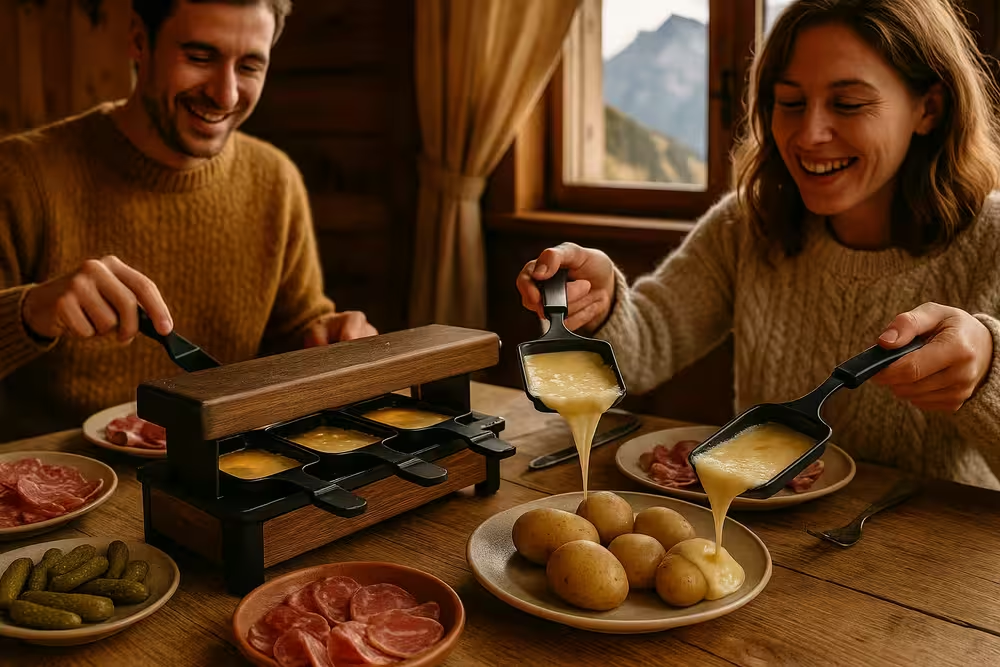
In the rich repertoire of Savoyard cuisine, raclette reigns supreme among the typical dishes that are not to be missed. A true emblem of Alpine gastronomy, it embodies refined simplicity and the art of sharing a comforting meal. Its name comes from the verb racler, referring to the action of melting cheese over a fire and then scraping it onto steaming potatoes. Now modernized thanks to electric raclette machines, it has lost none of its charm or evocative power.
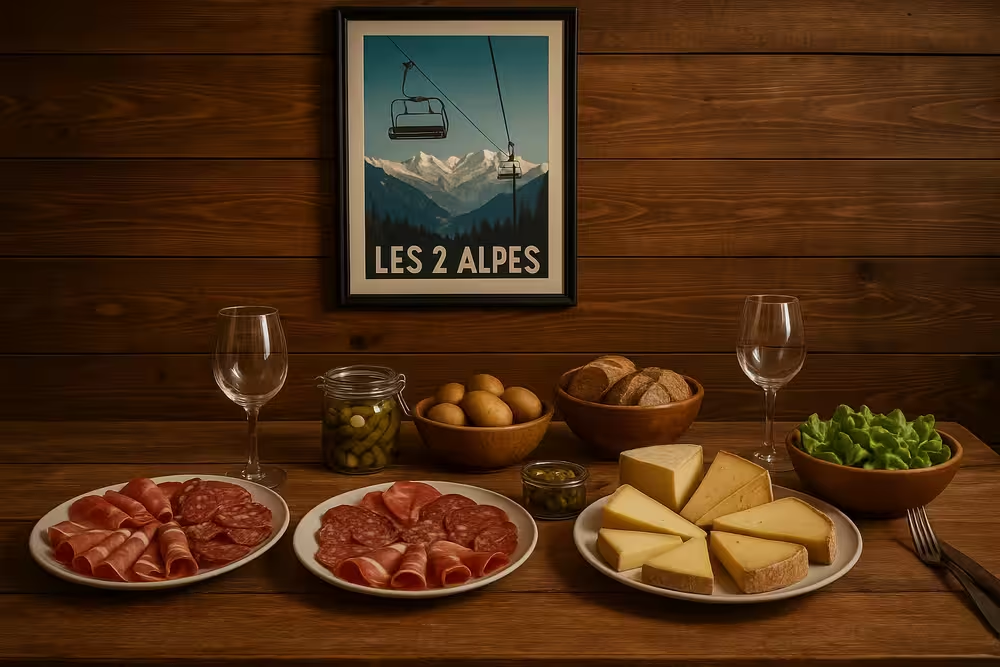
At the heart of this essential Savoyard dish is raclette cheese, made from raw cow's milk, with a soft texture and washed rind. Whether plain, smoked, peppered, or flavored with mountain herbs, it melts slowly, releasing milky and woody aromas that invite you on a culinary journey. Raclette also promises conviviality: around the table, everyone melts their cheese at their own pace, accompanying it with local charcuterie, crunchy vegetables, jacket potatoes and, sometimes, gherkins or pearl onions for a touch of liveliness.
Behind this well-established ritual lies an ancient history. Raclette is said to have originated in the Middle Ages, eaten by Swiss and Savoyard shepherds during their long summer transhumance. The cheese, heated over a wood fire, provided a hot and nourishing meal in the mountains. While its geographical birthplace is disputed between the Swiss Valais and the French Savoie, its place in authentic mountain cuisine is undisputed. Raclette lends itself to a thousand variations. With different types of mature cheese, new accompaniments, vegetarian or even fruity versions, it has continued to evolve to appeal to all palates. Yet its essence remains unchanged: a moment of sharing around a hot mountain dish, rich in flavor and human warmth.
Whether in an alpine resort or in the comfort of a vacation apartment, raclette is a winter meal staple. It is one of those Savoyard culinary traditions that bring people together and provide comfort, far beyond their apparent simplicity.
Savoyard cuisine: 4 typical dishes not to be missed
Savoyard cuisine: Croziflette - the increasingly popular Savoyard alternative
Among the gourmet treasures of Savoyard cuisine, croziflette stands out as a delicious contemporary variation, both original and rooted in Alpine traditions. Less well known than tartiflette or raclette, it is nevertheless gaining popularity every year among lovers of hearty mountain dishes. This specialty, typical of Savoie, is distinguished by the use of an ancestral ingredient: crozets.
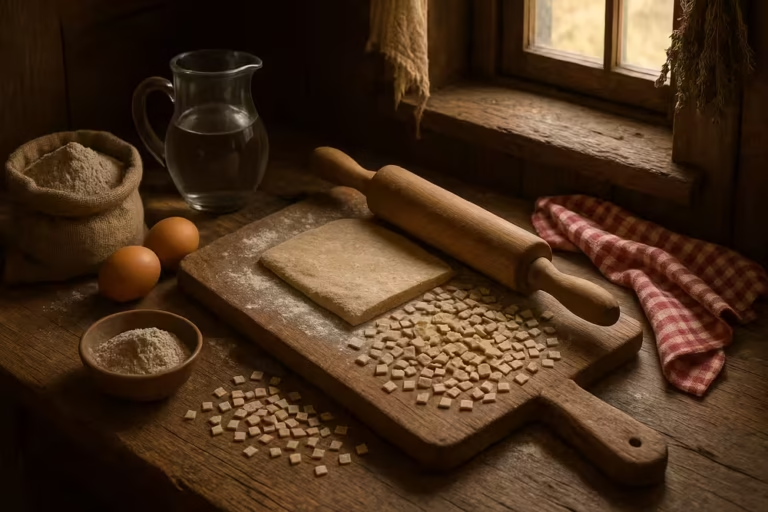
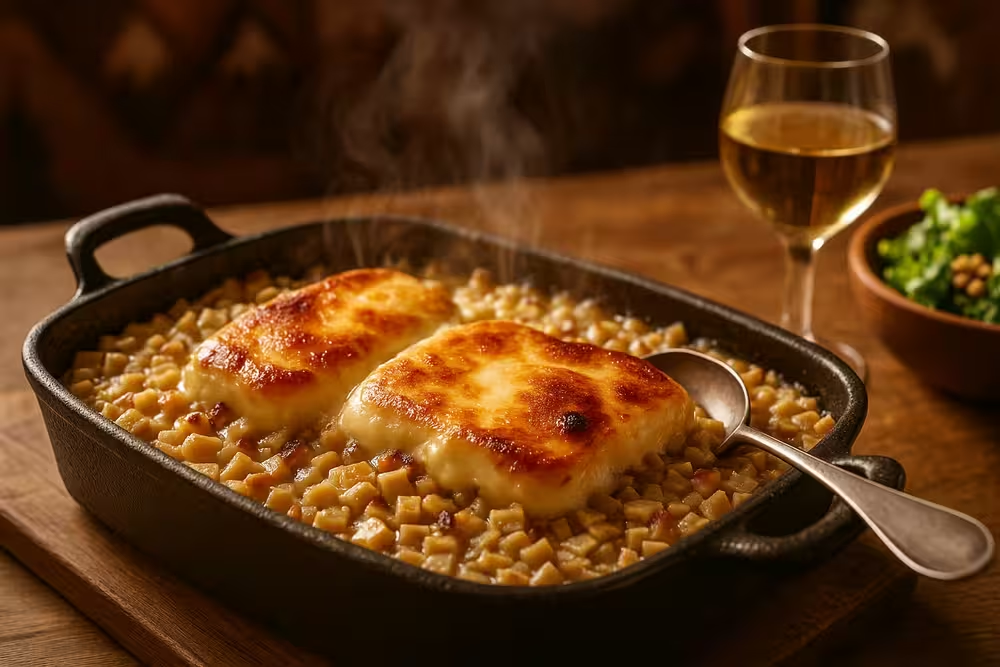
Crozets are small square pasta shapes, traditionally made from buckwheat or durum wheat flour. Their dense, rustic texture allows them to absorb the flavors of melted Reblochon cheese, golden bacon bits, and caramelized onions. This hearty and creamy Alpine gratin offers a tasty alternative to tartiflette while remaining true to the foundations of authentic mountain cuisine. It perfectly illustrates the ability of traditional Savoyard recipes to reinvent themselves without ever betraying their origins.
Born from a subtle blend of culinary innovation and respect for local traditions, croziflette appeals with its simplicity and authenticity. Easy to prepare, it naturally finds its place on winter tables, in chalets and mountain restaurants alike. It is particularly popular with families, groups of friends, and vacationers looking for a typical meal after a day in the cold. The diversity of crozets also allows for a variety of flavors. Wheat, buckwheat, and even vegetable or cheese versions, each variation offers a nuance of taste and texture. As for Reblochon cheese, it remains the central element, ensuring the consistency and aromatic richness of this generous gratin.
Served with a walnut salad or a glass of white wine from Savoie, such as a Chignin-Bergeron, croziflette becomes a complete, nourishing, and comforting meal. It is firmly established as one of Savoie's essential dishes and reflects the modern evolution of Alpine cuisine, combining respect for local produce with culinary pleasure.
Savoyard cuisine: 4 typical dishes not to be missed
Savoyard cuisine: Savoyard fondue - sharing and flavours in a steaming caquelon
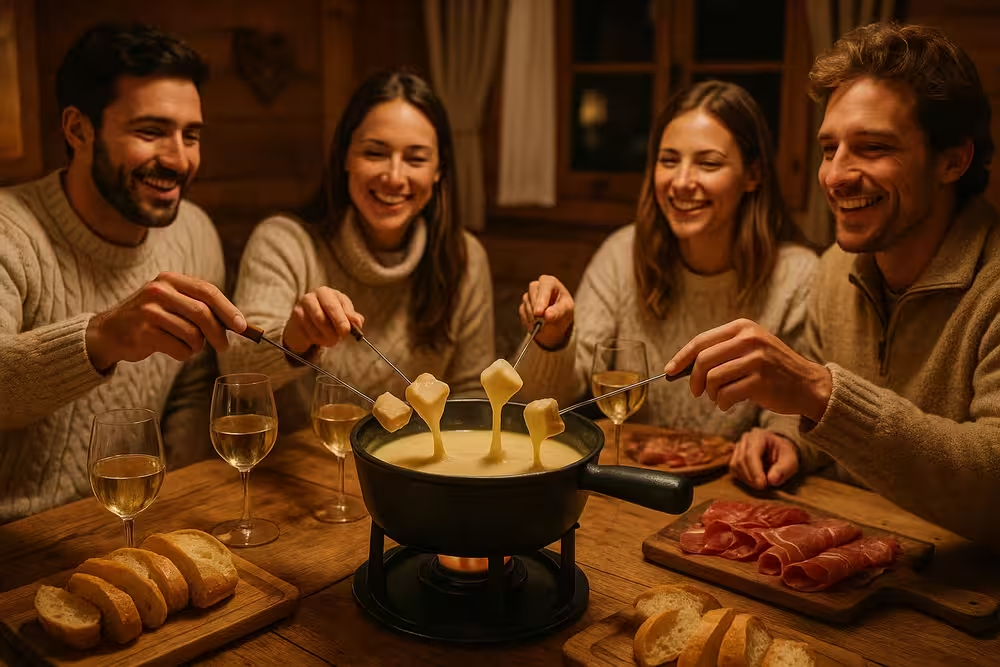
It is impossible to discuss Savoyard cuisine without mentioning one of its most powerful symbols: fondue savoyarde. A mountain dish, a ritual of sharing, and an emblem of Alpine gastronomy, it embodies the art of combining simplicity and refinement in a single gesture. More than just a meal, fondue is a sensory experience, a moment suspended in time when cheese becomes a living substance, slowly melted in a caquelon to better bring out its flavors.
This traditional dish originated in the Alpine valleys, where shepherds, faced with harsh winters, melted their leftover cheese to make a hot and nourishing meal. Today, the recipe has become more sophisticated without losing any of its authenticity. It usually combines three cheeses: Beaufort, for its powerful aroma, Emmental de Savoie, for its smoothness, and Comté, for its rich flavor. This alchemy, enhanced with a dash of dry white wine and sometimes garlic or kirsch, creates a creamy, fragrant fondue that can warm even the coldest winter evenings.
Traditionally, cubes of stale bread are dipped into it, but there are many variations: potatoes, steamed vegetables, cold cuts, or even pieces of fruit for the more adventurous. The important thing is not only what you dip, but who you share this moment with. Because fondue savoyarde is a meal that brings people together, a social occasion where you take your time, where slowness becomes a luxury.
In ski resorts such as Les 2 Alpes, it is often the centerpiece of evenings spent at high altitude, surrounded by wood, open fires, and silent snow. It is a staple of typical mountain meals, a way of combining Savoyard culinary traditions and shared enjoyment. Much more than just a dish, fondue is a celebration of winter, an immersion in Alpine culture.
Conclusion
From the aromas of melted Reblochon cheese in a fondue pot to Savoyard cuisine: four typical dishes not to be missed reveal the richness of a region known for its authenticity and generosity. These traditional recipes, such as tartiflette, raclette, croziflette, and fondue savoyarde, symbolize the conviviality and warmth of mountain meals. They invite you to savor simple moments, rich in taste and emotion. Looking for a gourmet getaway in Les 2 Alpes or an Alpine-inspired dinner? Explore our accommodations to experience the mountains like a local, surrounded by essential Savoyard dishes.
Articles that may interest you
Discover the resort
Our selection of restaurants in Les 2 Alpes
Our selection of stores in Les 2 Alpes
Movies, bowling, laser tag: your indoor activities
Ski schools: our selection
Frequently asked questions
Find answers to the most common questions about our products. Julia ensures transparency, efficiency, and detailed information in everything we do.

Find the best moments from your article
Discover tips, trends and ideas to help you prepare for your stay in the mountains, and discover fantastic places and addresses. Julia and the team regularly prepare new articles for you, so don't hesitate to visit our blog regularly.