


- BLOG LOCATION2ALPES.COM
Alpine Génépi: Tips and Recipes
Explore génépi in all its forms during your stay in Les 2 Alpes: local traditions, authentic tastings and tips to avoid beginner’s mistakes.

Universe
Location2alpes
Collection
Alpine
Reading
6 min
Share
What to read in this guide
Check out the key points from this article to plan your trip, explore the area, and organize your outing to Les 2 Alpes.
What you need to know
Alpine génépi: tips and recipes, with practical advice, local ideas and useful pointers to help plan your stay in Les 2 Alpes
Introduction
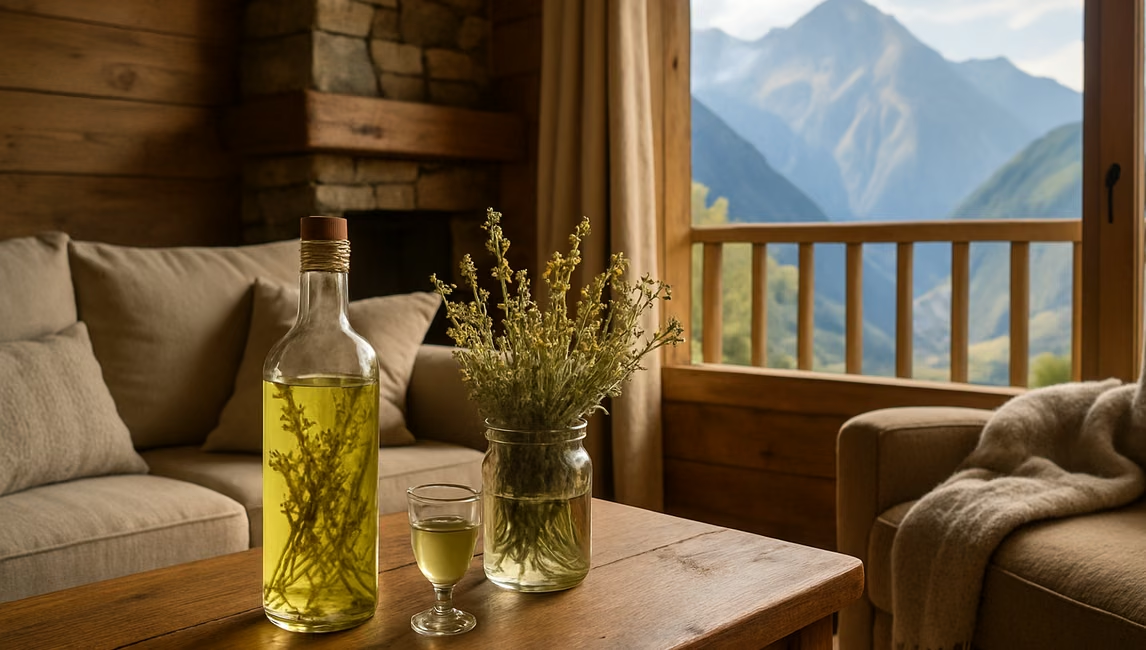
An iconic symbol of the Alpine peaks, génépi fascinates both herbalism enthusiasts and travellers curious about local flavours. But with common misconceptions, a wide range of recipes and the finer points of the law, it is not always easy to know how to discover it in Les 2 Alpes without making a mistake.
Experiencing génépi locally can be as sociable as it is surprising: some taste it for the first time at a lively bar, others want to take home an authentic bottle, or even try a homemade recipe during a self-catered stay. But be careful: choosing a good génépi requires a few precautions, and knowing the right places or tips can completely change your experience.
This article guides you through everything you need to know to demystify génépi in Les 2 Alpes. You’ll find practical advice, useful pointers (where to taste it, what to check before buying or making it), and common mistakes to avoid so you can enjoy this local speciality with confidence. Ready to uncover the secrets of génépi?
To plan the rest of your stay: Les 2 Alpes resort centre.
Chapter
01
Alpine génépi: what travellers should know before getting started
Explore génépi in all its forms during your stay in Les 2 Alpes: local traditions, authentic tastings and tips to avoid beginner’s mistakes.
Who is a génépi tasting experience in Les 2 Alpes for?
Génépi is as intriguing as it is appealing, but it is not necessarily for everyone. Traditionally enjoyed as a digestif, it is an alcoholic drink with an intense, herbal flavour that will not suit every palate. For lovers of craft liqueurs, mountain plants or curious visitors keen to immerse themselves in Alpine culture, the experience is often unforgettable.
For families, discovering génépi can simply mean observing the plants (protected in their natural environment!) or listening to local stories — tasting is, of course, reserved for adults. Hikers and nature lovers will also appreciate this heritage aspect, as génépi is deeply rooted in the history of the Alps and its inhabitants.
Before planning your génépi experience in Les 2 Alpes, it is worth checking:
• How you feel about bitter or aromatic herbal flavours
• Any consumption restrictions (alcohol, allergies)
• Whether your group is more interested in a traditional tasting or a more cultural approach
If you enjoy discovering local specialities, are looking for an authentic gift idea or love traditional recipes, you are the ideal audience for exploring génépi with confidence.
See also: Apartments to rent.
The génépi scene in Les 2 Alpes is as varied as the Alpine flora itself! Before giving in to the temptation of an impromptu shot or buying a bottle to take home in your luggage, there are several points worth considering.
1. Origin of the liqueur: Choose craft or local products sold by trusted shops, such as delicatessens in the resort centre, certain farmers’ markets or artisan distillers who may be present at certain times of the season.
2. Ingredients and label: Check that the label says “génépi liqueur” (not “génépi-flavoured”), which indicates a genuine product made from macerated flowers or sprigs. Some local producers also state where the plants come from and the alcohol content.
3. Appearance and storage: A cloudy colour is not necessarily a flaw, but be wary of liqueurs that are too clear or too cheap. Ask the seller for advice if you are choosing between several bottles.
4. Compliance with regulations: Wild génépi picking is strictly regulated (banned in some areas and limited to specific periods). The sale of “homemade” génépi at markets is also tightly controlled: only buy products with full labelling and clear traceability.
In short: getting informed before you buy or taste is still the best way to avoid disappointment and enjoy an authentic Alpine moment in Les 2 Alpes.
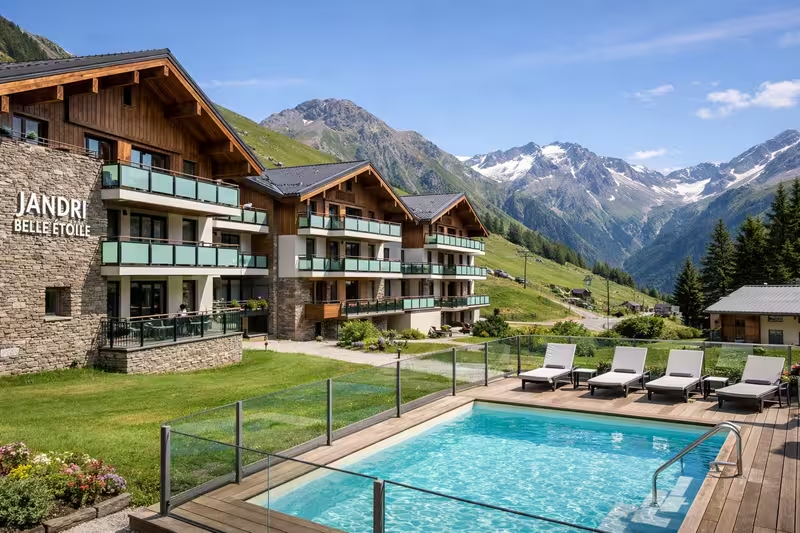
More information: Belle Etoile Jandri Les 2 Alpes.
What to check before tasting or buying
Génépi is not something to approach at random, especially for holidaymakers looking for authenticity. Preparing your tasting or purchase also means avoiding disappointment and opening the door to the resort’s rich local culture. With the right guidance, you discover not just a liqueur, but a whole tradition to share or bring home as a souvenir.
Read also: Alpine génépi: tips and recipes.
In Les 2 Alpes, several outlets are known for the quality of their craft génépi, particularly shops in the centre or the weekly market (generally held on Wednesdays during the season). Always ask the seller for information about production, and do not hesitate to request comparative tastings to help refine your choice. Also bear in mind that the local atmosphere (bars, restaurants, high-altitude chalets) is very much part of the experience — a chance for genuine conversation with mountain enthusiasts.
This page may help you narrow down your choice: How to make a successful Savoyard fondue: tips and advice.
On this page
01
Alpine génépi: what travellers should know before getting started
02
Discovering génépi locally: common situations and practical options
03
Practical tips and mistakes to avoid with génépi in Les 2 Alpes
04
Preparing or trying a génépi recipe during your stay

The Resort Guide
Plan your trip by exploring the must-see attractions in Les 2 Alpes: activities, scenery, practical tips, and top spots to help you make the most of your time at the resort.
Chapter
02
Discovering génépi locally: common situations and practical options
Explore génépi in all its forms during your stay in Les 2 Alpes: local traditions, authentic tastings and tips to avoid beginner’s mistakes.
Taste it locally: bars, restaurants and events
In Les 2 Alpes, tasting génépi is most often a convivial experience. Whether during a traditional mountain dinner or in a lively bar in the resort centre, this liqueur is frequently served as a digestif, and sometimes as a signature cocktail.
Bars and restaurants: Several well-known venues in the resort put génépi in the spotlight, including recognised names such as Le Cellier, the Windsor and La Porte d’à Côté (indicative list to be checked according to the season). Tastings are often accompanied by insights into its history or production methods, and sometimes by a platter of regional products.
Chalets and events: During special evenings, terrace concerts or events such as the Fête des 2 Alpes (in July), temporary stands offer the chance to discover different versions of the liqueur, and sometimes to chat with local producers.
Getting the most from the experience: Don’t hesitate to ask your server what type of génépi is being served (white, yellow or grey), or where it comes from, and compare the flavours. Some bars also offer the option of taking home a small bottle as a souvenir.
Practical tip: check opening times in low season, as the availability of certain bottles can vary depending on visitor numbers.
To plan around the day’s conditions: Wellness in Les 2 Alpes: best places to go.
Bringing home a bottle of génépi at the end of your stay is one of the most popular souvenirs… provided you choose carefully!
Producers’ markets: In season, the Wednesday market brings together artisans, sometimes from the Vénéon valley or the Oisans, offering génépis made in the traditional way. Labelling, a clear indication of origin and the option to taste before buying are your best guides when choosing an authentic product.
Specialist shops: Several delicatessens and wine shops in the resort centre (e.g. L’Alpe Gourmande, Cave du 21) showcase local selections, sometimes with culinary tips on using génépi in desserts or cocktails.
Avoid the traps: Be wary of offers that look too good to be true in supermarkets or on unidentified stalls: a low-priced génépi with no traceability is not comparable to the quality of an artisan-distilled product.
Take care when transporting it: If you plan to take génépi home, think about packaging too (a securely closed bottle and suitable protection), and check the current regulations if you are travelling by plane or abroad.
Good to know: some retailers offer discovery gift boxes, ideal for presents or for trying different varieties, while benefiting from personalised advice. When you buy, consider asking for a small recipe booklet or a few local anecdotes.
This resource usefully complements these tips: Savoyard crozets: recipes, origins and gourmet ideas.
Buying or bringing some home: what to check before choosing
Les 2 Alpes offers plenty of ways for travellers to discover génépi: guided tastings, personalised advice in shops and festive moments that encourage you to talk with passionate locals. Every situation — an aperitif on a terrace, a carefully chosen purchase or taking part in an event — becomes an opportunity to learn how to recognise a good génépi, understand its subtleties and take home lasting memories.
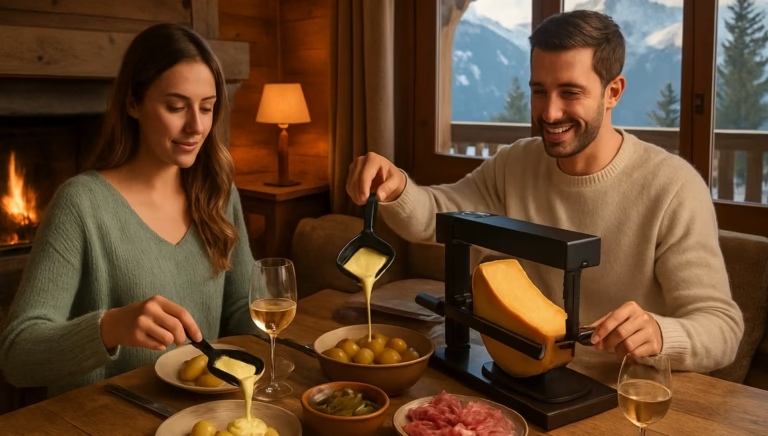
Along the same lines: Perfect raclette: secrets and tips for a successful meal.
The on-site génépi experience is greatly enriched by local people: servers, artisans and shopkeepers are usually happy to share their tips or stories, provided you approach them with curiosity and respect. To make the most of all these options, vary the places you visit and don’t limit your discovery to a simple post-ski glass! Ask questions, taste different blends and, why not, head home with a recipe to try once your holiday is over.
Another useful resource: official Les 2 Alpes website.
On this page
01
Alpine génépi: what travellers should know before getting started
02
Discovering génépi locally: common situations and practical options
03
Practical tips and mistakes to avoid with génépi in Les 2 Alpes
04
Preparing or trying a génépi recipe during your stay
Extend the experience
3600 m
Elevation of the Les 2 Alpes Glacier
Going Out in Les 2 Alpes
“The best restaurant isn't always the one with the highest rating”
Stay
A Summer in the Great Outdoors
Discover the best summer activities in Les 2 Alpes: hiking, mountain biking, high-altitude lakes, panoramic views, and mountain adventures to make the most of your stay.
Chapter
03
Practical tips and mistakes to avoid with génépi in Les 2 Alpes
Explore génépi in all its forms during your stay in Les 2 Alpes: local traditions, authentic tastings and tips to avoid beginner’s mistakes.
Local tips to avoid common mistakes
Génépi is fascinating, but discovering it can quickly disappoint if you don’t follow a few simple principles. In Les 2 Alpes, knowledgeable enthusiasts will advise you to always ask where the génépi served at the end of a meal or offered for sale comes from. Choose establishments that clearly show their collaboration with local producers or distillers, such as certain bars in the Village and reputable shops like L’Épicerie de Marie or Cave des 2 Alpes. These places often guide customers towards bottles made from controlled harvesting, with respect for the environment and regulatory quotas.
One tip shared by experienced managers: avoid buying génépi from undeclared sellers or at informal markets out of season, even if the artisan-style labels look tempting. The risk is an illegal product, sometimes too high in alcohol, or even artificially flavoured. Local distilleries (for example, Distillerie des Alpes, which sometimes has a pop-up stand at the resort’s weekly summer market) communicate clearly about plant traceability and maceration or distillation methods. Always ask to taste before you buy, and take the time to talk with the seller about the product’s specific qualities.
It can be tempting to give or bring home a bottle of authentic génépi, but beware of a few pitfalls. In terms of budget, expect to pay around €20 to €40 for a 50cl artisan bottle from the valley or the Oisans area – a price that can rise sharply for limited editions or “homemade” versions. Cheaper products are often industrial blends, less prized by connoisseurs.
The weather also has a part to play. In summer, picking is regulated and depends on flowering: botanical walks offered by some local guides (check with the Tourist Office for exact schedules) raise awareness of the need not to pick protected plants. In winter, only tasting or buying from local retailers is possible; collecting is forbidden under the snow. Finally, be aware that strict legislation governs the sale of génépi: only approved producers and a few listed markets are allowed to sell it legally – look out for labels such as “Produit en Oisans” or “Fait aux 2 Alpes”.
Key points to watch: budget, weather and regulations
As the seasons pass, the génépi experience in Les 2 Alpes becomes even richer when you make the right choices. Savvy visitors prefer to meet producers directly (a stall at the Les 2 Alpes market every Wednesday morning in high season, occasional visits to the family distillery in Venosc), or rely on recommendations from restaurant owners who can vouch for origin and quality. One of the most common mistakes is impulse-buying on the slopes or in souvenir shops without clear information on the ingredients: real génépi is a subtle blend of plants and local alcohol, and should state the exact variety of plant used (Artemisia umbelliformis, etc.).
Others confuse liqueur with a homemade infusion: the former keeps well, while the latter can spoil if poorly prepared. A good habit: ask to see the label, and don’t hesitate to compare aromas by requesting a guided tasting.
The right balance is to stay curious while protecting local traditions. Génépi from Les 2 Alpes is not just a souvenir, but a product rooted in mountain history, with its preparation, sale and tasting regulated for your safety. Take your time during tastings, ask about seasonality, and book with local specialists or through the Tourist Office for an enriching experience with no unpleasant surprises. Respecting the rules, nature and local people will turn the moment into a genuine discovery.
On this page
01
Alpine génépi: what travellers should know before getting started
02
Discovering génépi locally: common situations and practical options
03
Practical tips and mistakes to avoid with génépi in Les 2 Alpes
04
Preparing or trying a génépi recipe during your stay
Stay tuned on Location2alpes
A Live Preview
to get a sense of what to expect before coming to Les 2 Alpes
Updated data
24 hours a day, nonstop
8 Strategic Perspectives
about the resort, the glacier, and the peaks
Useful all year round
winter, summer, weather, events, ...
The Flavors of Les 2 Alpes
Cozy dining, mountain cuisine, terraces with panoramic views, and welcoming spots: explore our top recommendations for great dining in Les 2 Alpes.
Inspirations
“The best memories are rarely planned.”
— Local Guide
Chapter
04
Preparing or trying a génépi recipe during your stay
Explore génépi in all its forms during your stay in Les 2 Alpes: local traditions, authentic tastings and tips to avoid beginner’s mistakes.
What to know before trying a recipe
Many visitors dream of making their own génépi during their stay in Les 2 Alpes, but it is best to come prepared. First of all, it is essential to ask the Tourist Office or a local herbalist (such as Herboristerie d’Oz-en-Oisans, an occasional partner for discovery workshops) about authorised picking areas and best practice. Picking génépi sprigs in the mountains is strictly limited to a few handfuls per person per year, generally allowed from July to August, outside protected areas.
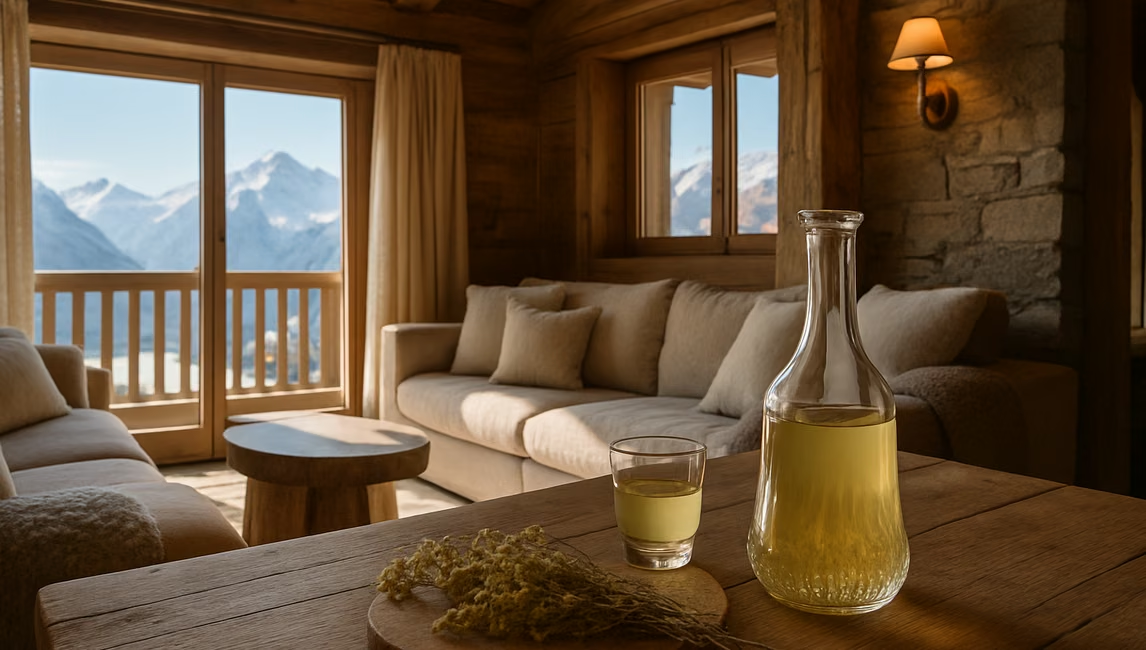
The traditional recipe (easy to make in a holiday rental) involves macerating around fifteen fresh sprigs in 1 litre of neutral 40% alcohol, with a syrup made from water and sugar. You should know, however, that maceration requires at least 40 days, and that the amount of sugar is a matter of taste. For an instant alternative, choose preparation kits sold in some local grocery shops: they contain dried sprigs, a detailed recipe and tips for making it on site. Make sure you check the origin of the sprigs and the picking date shown on the packaging.
The temptation to bring back your own preparation is common, but a few rules apply. To transport homemade génépi, choose airtight bottles and avoid any commercial wording on the label (this can be an issue during customs checks). If you are travelling by plane, be aware that any bottle containing more than 70cl of alcohol must be declared.
If things don’t go to plan (not enough time, unfavourable weather), don’t feel guilty: the resort offers guided tasting workshops, notably at certain times through the Les Alpages cheese shop or during themed weeks promoted by the Tourist Office. These hands-on tasting experiences let you appreciate the full aromatic range without the constraints of making it yourself. Finally, to extend your discovery, ask local shopkeepers for their alternative recipes: génépi sorbet at La Table du Savoie, a flavoured tiramisu from a town-centre caterer, or even a simple reinvented coffee at Le Polar Bear bar.
Final tips for leaving with peace of mind
If the idea of making your own génépi appeals to you, turn the preparation into a genuinely sociable moment: some accommodation offers kits or accessories to hire (maceration carafes, funnels, bottles). Pay close attention to advice from locals: the mixture should never be exposed to direct light, and a longer waiting time intensifies the aroma without making the liqueur stronger. Valley families, the guardians of these recipes, emphasise the quality of the base alcohol and the importance of using spring water for the syrup.
For the more curious, there are also creative recipes: add a light touch of high-altitude honey, include a few zests of organic lemon, or replace some of the sugar with maple syrup to reinvent the tradition. Remember to share the result over an aperitif, while respecting the moderation so dear to mountain communities.
Whether you have tried making your own liqueur or chosen a tasting in good company, make the most of your stay by swapping recipes and secrets with the locals, craftspeople and restaurateurs who keep the spirit of génépi alive in Les 2 Alpes. Remember that the experience matters more than how much you take home: a carefully chosen bottle, an authentic local story or a shared workshop memory is worth more than a simple impulse buy. Immerse yourself in mountain culture, dare to ask questions, let passionate people guide you, and make your discovery of génépi a unique part of your Alpine adventure.
On this page
01
Alpine génépi: what travellers should know before getting started
02
Discovering génépi locally: common situations and practical options
03
Practical tips and mistakes to avoid with génépi in Les 2 Alpes
04
Preparing or trying a génépi recipe during your stay
Location2Alpes Collection
Places we love to return to
Apartments selected for their location, comfort, and atmosphere, so you can enjoy Les 2 Alpes with complete freedom.
Plan Your Trip
to Les 2 Alpes
Discover our apartments, ideally located so you can make the most of your stay
Continue the adventure
Les plus beaux souvenirs commencent souvent après le dernier conseil
Conclusion
Discovering génépi in Les 2 Alpes is a chance to dive into one of the Alps’ most iconic treasures while enjoying an experience that is at once culinary, cultural and local. Whether you are simply curious or a true fan of artisanal spirits, there are several ways to approach génépi during your stay: tasting it in trusted establishments, at winter or summer events, or even through an introduction to a simplified recipe you can make while you are here.
To get the most from the experience, ask local shopkeepers and artisans, who often share advice, anecdotes and best practices about the plant, as well as how the drink is prepared and stored. Pay attention to the authenticity of the products on offer and check their origin, especially if you plan to take a bottle home. Choose producers based in Les 2 Alpes or nearby, as well as specialist shops and regional product stores.
Be sure to respect local regulations, especially if you want to pick génépi, which is always controlled, or prepare a homemade liqueur. If you are short on time or ingredients, some shops also sell kits or ready-made versions so you can take home an authentic souvenir without getting it wrong.
Finally, don’t hesitate to ask locals for advice and tips: they are often delighted to share their know-how, and perhaps a story or two about génépi, to make your time in Les 2 Alpes even more memorable. You will leave not only with a bottle, but also with a living memory of your Alpine immersion.
What's next? Choose your next step
Key Points
The right choice depends on the pace of your trip and what you're looking for.
Keep your options open for impromptu evenings out.
A well-located place to stay makes dining out and getting around easier.
Practical information
Season: Summer / Winter
Reading time: 6 min
Area: Les 2 Alpes
Altitude : 1,650 m
Audience: Families, Couples, Groups
Live webcams
LES 2 ALPES
The Glacier
3,400 m above sea level
8 HD webcams
Continuous Updates
Check the weather all year round
Check out the weather, snow conditions, and atmosphere at the resort in real time.
Frequently asked questions
Find answers to the most common questions about our products. Julia ensures transparency, efficiency, and detailed information in everything we do.

Local Guide
Find the best moments from your article
The Location2alpes Blog
Discover tips, trends and ideas to help you prepare for your stay in the mountains, and discover fantastic places and addresses. Julia and the team regularly prepare new articles for you, so don't hesitate to visit our blog regularly.
Latest articles:


- Explore Les 2 Alpes
What would you like to explore ?
Get quick access to the resort's highlights, activities, top spots, and practical tips to help you plan your trip.